
Blog · Progress Monitoring
Weekly vs. Bi-Weekly vs. Monthly Progress Photos: Which Do You Need?
A cadence-selection guide for project teams choosing progress monitoring.
Last updated: June 10, 2026
In This Guide
- Weekly Cadence (jump to section)
- Bi-Weekly Cadence (jump to section)
- Monthly Cadence (jump to section)
- Quarterly and Warranty-Phase Cadence (jump to section)
- Cadence Comparison Table (jump to section)
- What If the Cadence Changes Mid-Project? (jump to section)
- Frequently Asked Questions (jump to section)
Progress monitoring cadence is one of the most common decisions a project team makes when setting up construction documentation. The right cadence depends on the project pace, the stakeholder communication needs, and the budget. Here is how to think through it.
The four cadences we work with are weekly, bi-weekly, monthly, and quarterly. Each one is the right answer for a different project profile. Picking the wrong cadence either wastes budget on visits that do not add new information, or undersamples a project that is changing fast enough to need weekly documentation.
Weekly Cadence
Weekly is the right cadence for active commercial construction projects with regular stakeholder updates. Most commercial GCs default to weekly because the project changes meaningfully week-over-week, and the lender draw schedule typically runs monthly, so the weekly visits provide a continuous record that becomes the basis for each draw package.
The cost is $375 per visit, and most projects in this category run weekly for 6-24 months. Total documentation cost over a 12-month project is in the $18,000-$20,000 range, which is roughly 0.05% of a $40M commercial project budget. Compared to the cost of a missed schedule issue that surfaces two months after the fact, the documentation pays for itself many times over.
If you are running a project with a construction loan, weekly is almost always the right cadence because the lender draw schedule and the weekly documentation cadence align naturally. See our lender documentation service for the structure of a draw-ready package.
Bi-Weekly Cadence
Bi-weekly is the right cadence for mid-stage projects or sites with a slower build pace. Bi-weekly is also the right cadence when the GC team is doing their own weekly site visits and the external documentation is needed at a different cadence, for example, when the external documentation supports a bi-weekly owner update or a bi-weekly lender reporting cycle.
The cost is the same per visit ($375), and bi-weekly is a common choice for projects that have weekly internal reporting but only need external documentation every other week. Total documentation cost over a 12-month bi-weekly project is in the $9,000-$10,000 range, roughly half the cost of a weekly cadence at the same duration.
If you are running a project where the GC team is doing their own weekly walks, the bi-weekly external documentation gives the owner and lender a continuous record without the cost of overlapping internal and external visits. The deliverable structure is identical to a weekly cadence visit, just delivered every other week instead of every week.
Monthly Cadence
Monthly is the right cadence for long-tail or low-intensity projects. Monthly is also the right cadence when the documentation is supporting a different decision: investor reporting, board updates, or annual compliance reviews. We coordinate with the project team to make sure the visits support the actual reporting cadence.
The cost is $375 per visit, and monthly is a common choice for projects that are 18+ months in duration with a slower build pace. Total documentation cost over an 18-month monthly project is in the $6,500-$7,500 range. For projects that have a long construction tail (interior fit-out, commissioning, closeout), monthly is the right cadence for the tail and a faster cadence is right for the active build phase.
Monthly is also the right cadence for projects that have a distinct build phase and a distinct post-build phase, for example, a tilt-up warehouse that has 6 months of active construction followed by 12 months of tenant fit-out and commissioning. Weekly or bi-weekly during the build phase, monthly during the fit-out.
Quarterly and Warranty-Phase Cadence
Quarterly is the right cadence for warranty-phase monitoring and for projects that have moved to closeout but still have a stakeholder communication need. Quarterly is also the right cadence for multi-year infrastructure programs where the project team needs a periodic aerial record but the site is not changing week-over-week.
The cost is the same per visit ($375), and quarterly is a common choice for warranty-phase documentation, post-occupancy monitoring, and infrastructure programs. We do not recommend quarterly for active construction projects. The project changes too much between visits, and the documentation loses its value as a decision-support tool.
Cadence Comparison
A side-by-side of the four cadences we work with, the project profile each one fits, and the per-visit and total-project cost ranges for a 12-month project.
| Cadence | Best For | Per-Visit Cost | 12-Month Total | Lender Compatible |
|---|---|---|---|---|
| Weekly | Active commercial construction, lender draws | $375 | $18,000-$20,000 | Yes |
| Bi-Weekly | Mid-stage projects, owner update cadence | $375 | $9,000-$10,000 | Yes |
| Monthly | Long-tail projects, fit-out, commissioning | $375 | $4,500-$5,000 | Sometimes |
| Quarterly | Warranty phase, post-occupancy, infrastructure | $375 | $1,500 | No |
What If the Cadence Changes Mid-Project?
We adjust mid-project. Most projects move through a faster cadence early (weekly), a slower cadence mid-project (bi-weekly), and the slowest cadence at the end (monthly) as the project moves toward closeout. We do not lock you into a single cadence for the life of the project. The deliverable is the same format regardless of cadence, so the GC team does not need to re-train on the documentation as the cadence changes.
A common pattern we work with is a 24-month project that runs weekly for the first 6 months, bi-weekly for the next 12 months, and monthly for the final 6 months. Total documentation cost for that pattern is in the $32,000-$35,000 range over the life of the project, which is significantly less than a flat weekly cadence for 24 months ($46,000-$48,000).
If you are scoping a new project and not sure what the right cadence is, start with weekly for the first month, evaluate, and adjust. The first month's documentation gives the project team a baseline to decide whether the cadence is right for the rest of the build phase.
The right cadence is the one that gives the project team the right amount of new information at the right decision point. Weekly is the default because most projects change meaningfully week-over-week, but a faster or slower cadence is the right answer for projects with different pacing.
Frequently Asked Questions
How often should construction progress photos be taken?
Weekly is the default cadence for active commercial construction projects. Bi-weekly is right for mid-stage projects or sites with a slower build pace. Monthly is right for long-tail or low-intensity projects, and quarterly is right for warranty-phase monitoring. The right cadence depends on the project pace, the stakeholder communication needs, and the budget. We work with the project team to recommend the cadence for the specific project, not a one-size-fits-all answer.
Is weekly progress monitoring the same as construction time-lapse?
No. Progress monitoring is a recurring set of dated aerial photo visits packaged as a per-visit report. Time-lapse is a separate deliverable that compiles the recurring visits into a final video at substantial completion. Progress monitoring is the ongoing record. Time-lapse is the video artifact at the end. Most projects that use time-lapse also use progress monitoring. They are complementary, not competing services.
What is in a single progress monitoring visit deliverable?
A stakeholder-ready PDF with dated and geo-tagged aerial photos, a written narrative of what we observed at the visit, and the raw image archive. The PDF is typically 8-15 pages for a single visit on a standard commercial site. Optional add-ons per visit include orthomosaic mapping, 3D model, and volumetric stockpile calculations. Each visit is delivered independently, so the project team does not need to wait for the cumulative deliverable.
How long does a single progress monitoring visit take on site?
A typical single-visit on a standard 1-5 acre commercial site takes 30-60 minutes of flight time on site. Pre-flight planning, airspace authorization, and equipment setup add another 30-45 minutes. Total on-site time is typically 60-105 minutes. The deliverable is delivered within 48 hours of the visit.
Can the cadence change mid-project?
Yes. Most projects move through a faster cadence early (weekly), a slower cadence mid-project (bi-weekly), and the slowest cadence at the end (monthly) as the project moves toward closeout. We do not lock you into a single cadence for the life of the project. The deliverable is the same format regardless of cadence, so the GC team does not need to re-train on the documentation as the cadence changes.
What is the cost per visit for progress monitoring in Florida?
Starting at $375 per visit for an Orlando-area commercial site. Sites with complex airspace authorization, larger acreage, or specialized deliverable requirements are quoted based on the project. Volume discounts apply for projects that lock in a multi-month cadence upfront. The price is the same whether the visit is part of a weekly, bi-weekly, or monthly cadence.
Who is the progress monitoring report for?
Three audiences in practice. The GC project team uses it for internal status and schedule tracking. The owner or developer uses it for stakeholder updates, often packaged into a monthly board or investor report. The lender uses it as supporting documentation for construction loan draws. The deliverable is structured so any of the three can read it without prior context.
About the Author
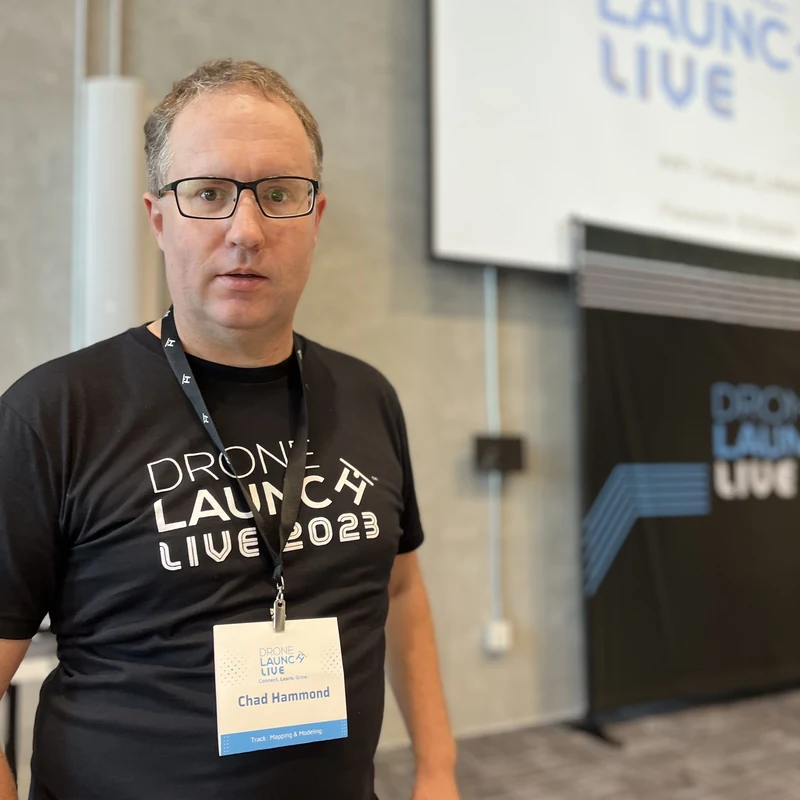
Chad Hammond, FAA Part 107 Remote Pilot
Chad is the founder of Skyland Pixels and has flown commercial documentation missions across Central Florida since 2021. He has documented more than 200 commercial construction projects ranging from $1M tenant improvements to $40M ground-up builds. More about Skyland Pixels →
Related Posts
How Aerial Roof Condition Reports Work for Commercial Properties
A practical guide for property managers on what an aerial existing-conditions roof report is, what is in it, and when to commission one.
How Construction Time-Lapse Documentation Saves Project Teams Money
A look at ROI for time-lapse as a marketing asset and stakeholder communication tool.
What Is Construction Documentation and Why Does It Matter?
A plain-English guide to what construction documentation includes and when project teams use it.
Need Progress Monitoring?
Tell us about your project. We will recommend a cadence and provide a quote within 48 hours.
Contact Us